


Specifying stainless steel tile trim looks simple until the quote comes back wrong. A procurement manager who orders “the chrome strip” for a 40-room hotel and then discovers half of it is bending on arrival has learned the lesson the hard way: grade, profile, finish and fabrication tolerance each move the price — and the failure rate — more than the alloy sticker suggests.
This 2026 buying guide walks through the four decisions that drive every tile trim purchase — material grade, profile shape, PVD finish and supplier capability — and shows how ARTDSN (artdsn.com) approaches each one as a Chinese factory-direct manufacturer of stainless steel decorative trim, profiles and architectural metalwork.
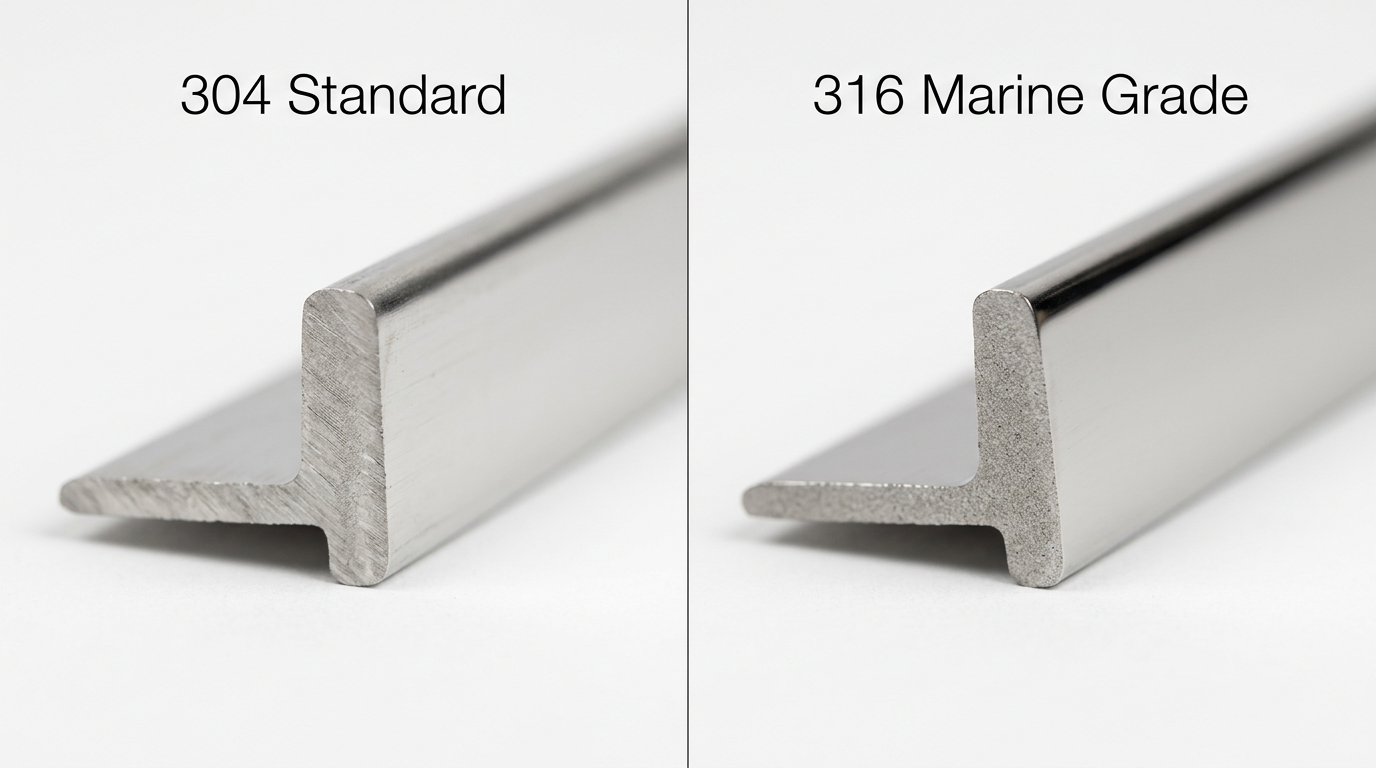
Two grades cover roughly 95% of the orders that pass through our factory. The third number buyers sometimes see, 430, is ferritic and only suitable for dry indoor applications where the trim will never see cleaning chemicals or coastal air.
| Attribute | 304 (A2) | 316 (A4) |
|---|---|---|
| Nickel content | ~8% | ~10% |
| Molybdenum | — | ~2% |
| Salt-spray rating (ASTM B117) | ~500 h | ~1000 h+ |
| Pool / coastal use | Borderline | Recommended |
| PVD coating compatibility | Excellent | Excellent |
| Relative cost | Baseline | +20–30% |
| Best fit at ARTDSN | Hotel interiors, wall trim, floor transition | Pool surrounds, hospital, exterior façade |
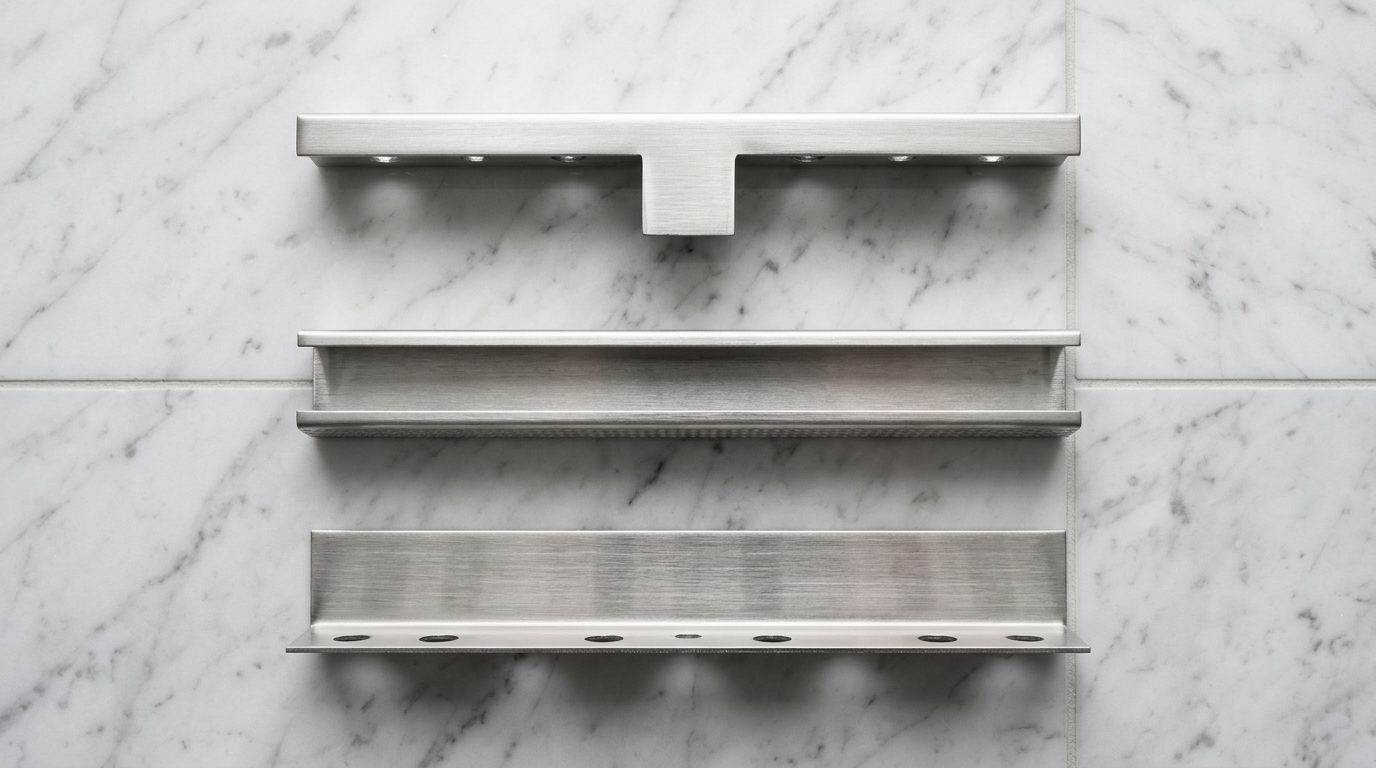
Profile shape is decided by the junction, not the design mood-board. The four shapes below cover the bulk of architectural metal trim applications; ARTDSN extrudes, press-brakes and mirror-polishes each of them in 304 and 316 stainless steel.
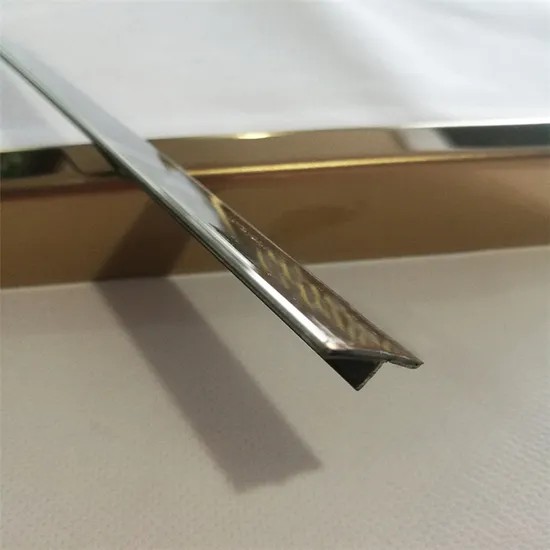
The classic “invisible” divider between two floor finishes — ceramic tile meeting carpet, marble meeting vinyl, raised access floor meeting polished concrete. The vertical leg slides under both edges; the horizontal cap is the only visible line. PVD-coated T profiles are the single highest-volume item in our trim catalog because they double as a movement-joint cover.
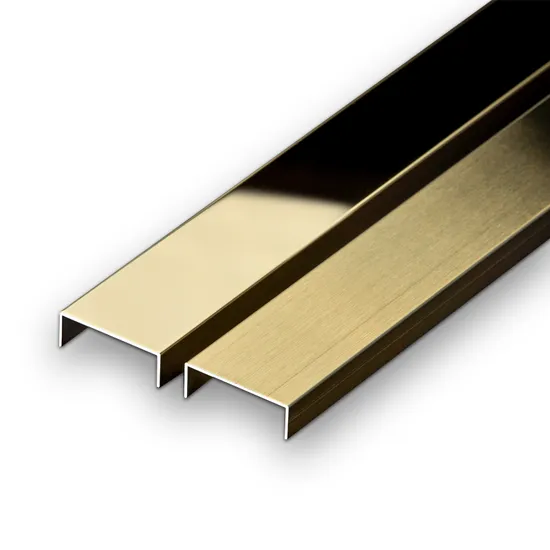
Where the design calls for a recessed LED strip, a shadow gap, or a wall panel that floats 10 mm proud of the ceiling line, a U-channel is almost always the right answer. ARTDSN supplies U-channels from 10×10 mm up to 200×40 mm, with the inner face left brushed or mirror-polished depending on whether the LED should bounce off the back wall.
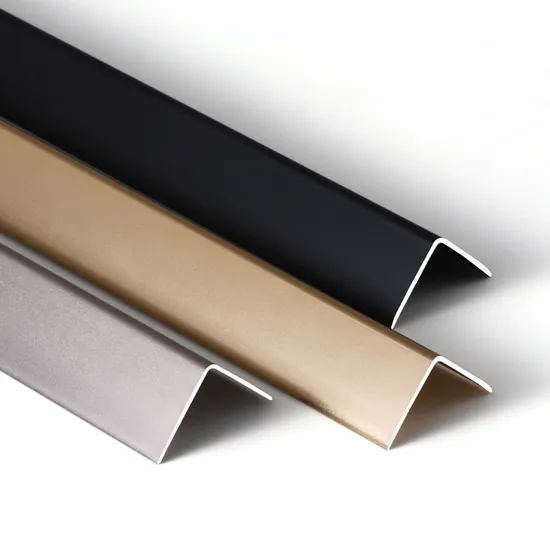
The L-angle (or “outside-corner” trim) takes the abuse off tile edges that would otherwise chip — column corners, kitchen island ends, bath-room wall junctions. Press-brake bent on demand to the exact corner angle (most are 90°, but obtuse and acute corners are quoted in a day). For 6–12 mm tile the standard 10 mm leg is enough; for stone cladding up to 20 mm we step up to a 25 mm leg.
| Shape | Common use | Typical ARTDSN size | Pairs best with |
|---|---|---|---|
| T | Tile-to-tile / tile-to-carpet divider | 10 / 12 / 15 mm height × 2.5 m | Movement joint covers |
| U-channel | Recessed LED, shadow gap, panel reveal | 10–200 mm width × 10–40 mm depth | Back-lit mirror headers |
| L-shape | Outside corners, skirting terminations | 10 / 15 / 20 / 25 mm legs × 2.5 m | Stone cladding edges |
| Square (Q) | Feature line, listello, picture rail | 5×5 to 30×30 mm solid bar | Decorative wall accents |
| Rounded (Q-arc) | Child-safe corners, soft-modern interiors | R 6 / 10 / 15 mm | Hotel bathroom wall corners |
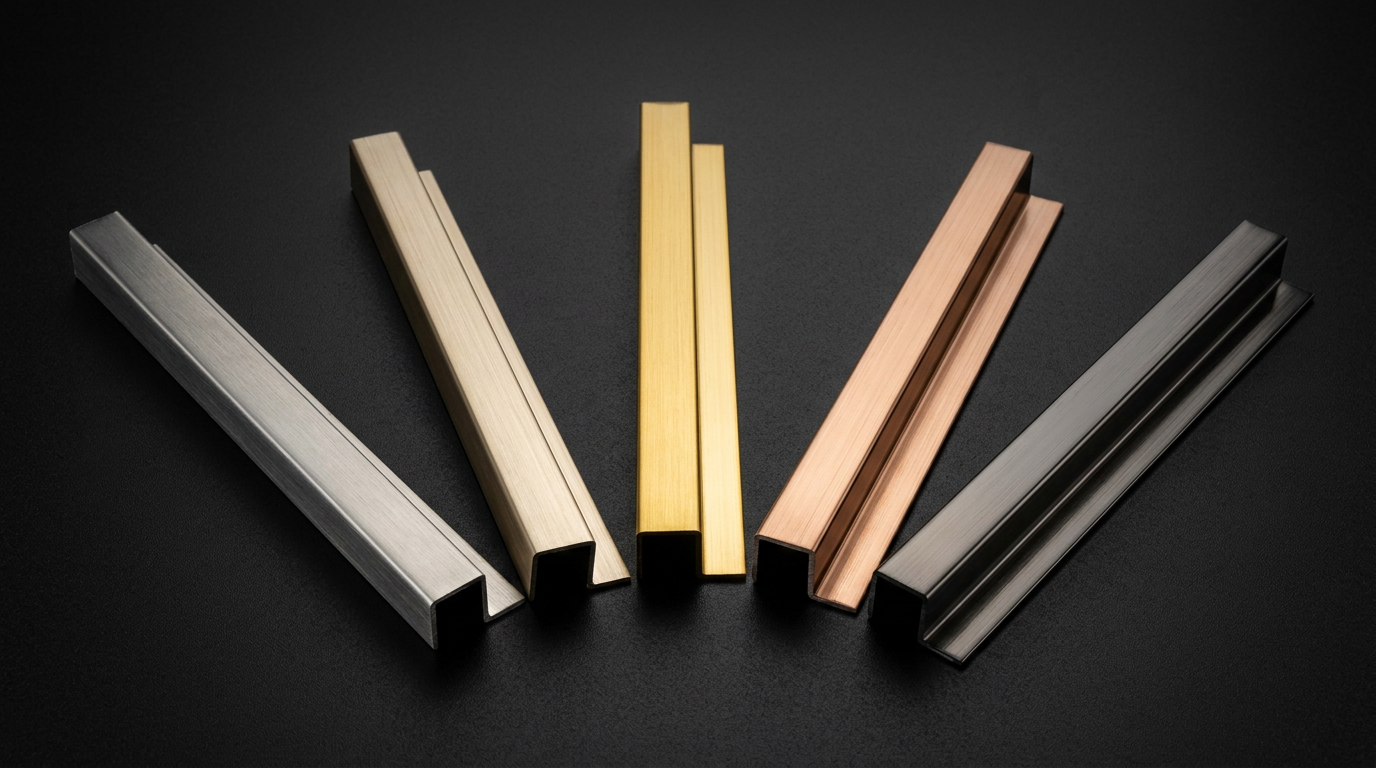
PVD (physical vapor deposition) is what turns a piece of brushed stainless into a champagne-gold or black-titanium accent without the chipping and yellowing that liquid paint suffers in 18 months. The part sits in a vacuum chamber; titanium nitride or zirconium nitride is vaporized and bonded to the surface at ~400 °C, building a 0.5–2.0 µm ceramic layer.
| Finish | Typical thickness | Hardness (HV) | UV stability | Best environment |
|---|---|---|---|---|
| Brushed 304 (no PVD) | n/a | ~180 | Excellent | Dry interiors, base color option |
| Mirror 8K (no PVD) | n/a | ~180 | Excellent | Lobbies, decorative panels |
| PVD titanium gold | 0.8–1.5 µm | ~1800–2400 | Excellent (indoor) | Hotels, retail, residential |
| PVD rose gold | 0.8–1.5 µm | ~1800–2200 | Excellent (indoor) | Boutique hotels, residential |
| PVD black titanium | 0.8–1.5 µm | ~2000–2600 | Excellent | Fingerprint-sensitive hardware, kitchens |
| PVD champagne gold | 0.5–1.0 µm | ~1800–2200 | Excellent (indoor) | Premium hotel chains |
Field reality: PVD is tough but not indestructible. Indoor installations keep their color for 10+ years. Outdoor façades with direct sun and rain typically hold 5–7 years before a soft patina appears; that is normal and is the trade-off for choosing gold over plain stainless. Avoid abrasive pads and chloride cleaners on any PVD surface.
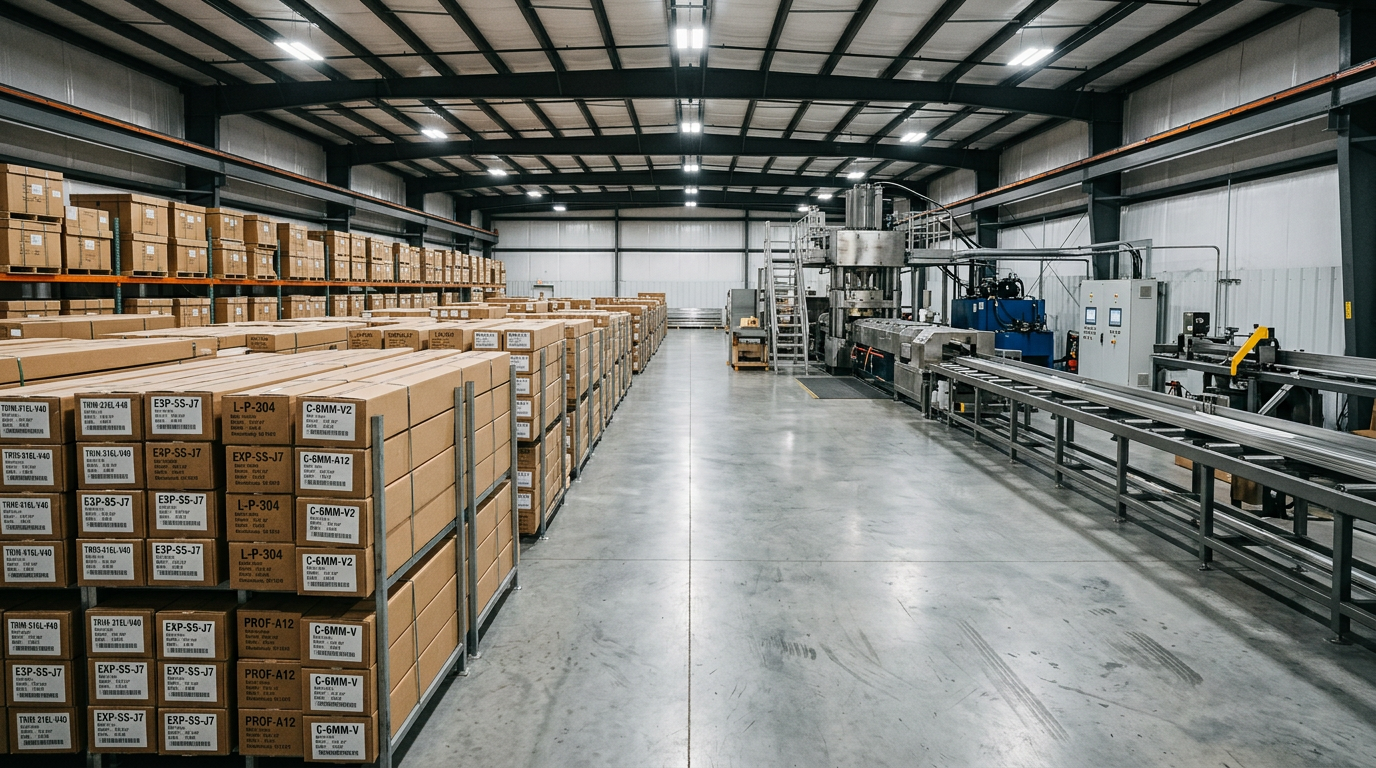
ARTDSN is a Chinese manufacturer focused on stainless steel decorative trim, profiles and architectural metalwork. We control the chain that most buyers only see the end of:
Send your drawing — or a photo of the existing trim — and we will return a factory-direct quote within one working day. Standard profiles ship in 7–10 days; custom bending and PVD add 5–7 days. Browse the full catalog or request a sample at artdsn.com, or contact our export team via the website for volume pricing.