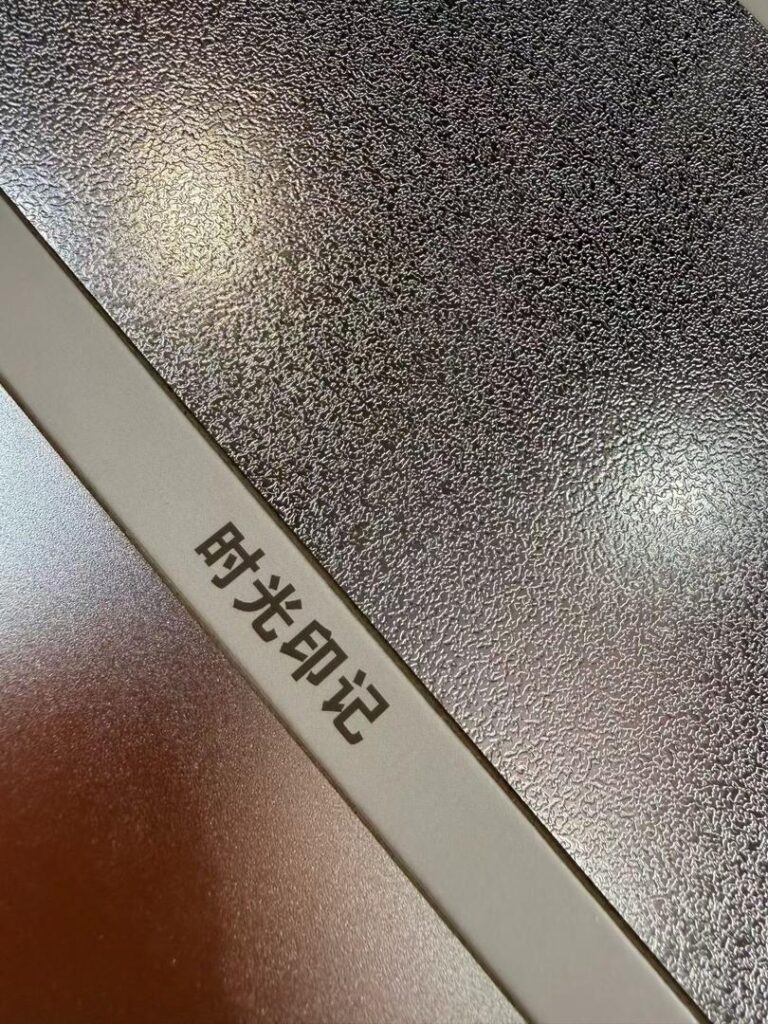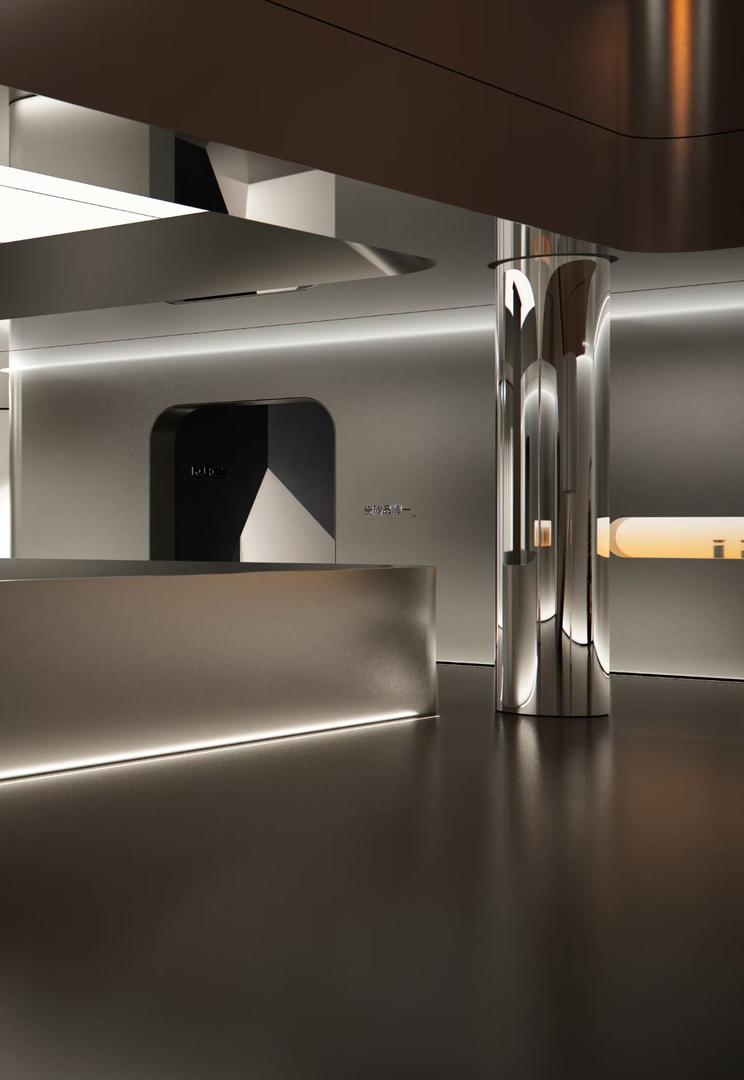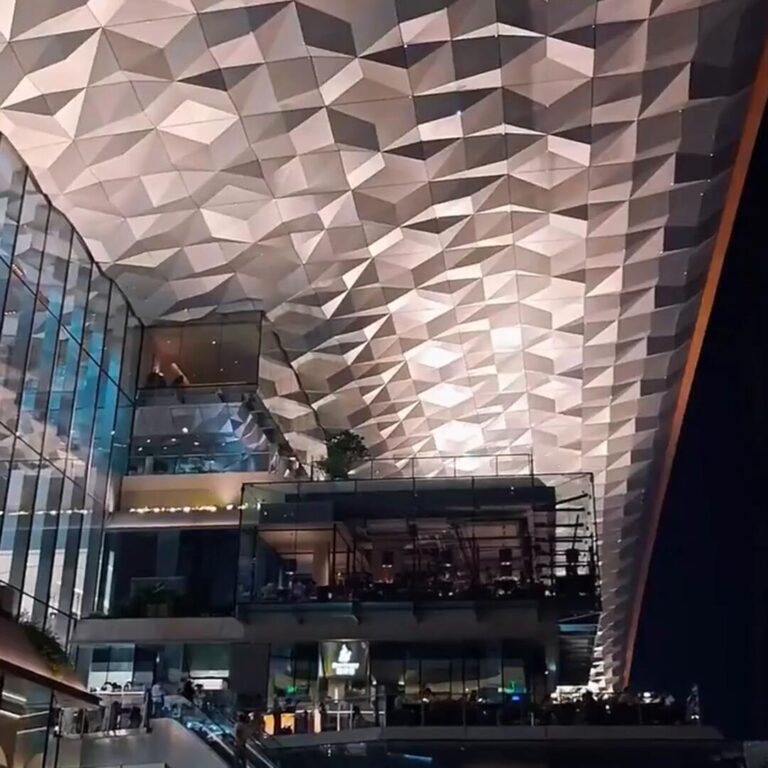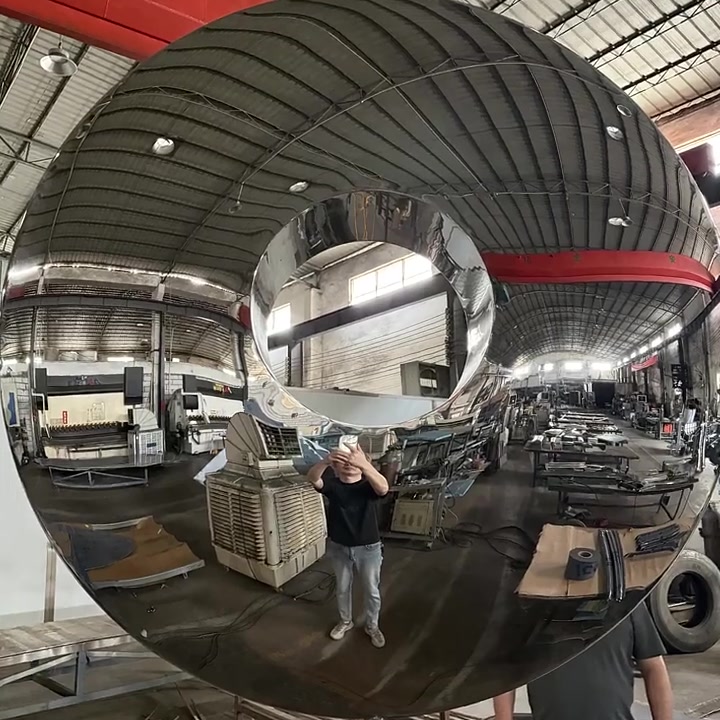



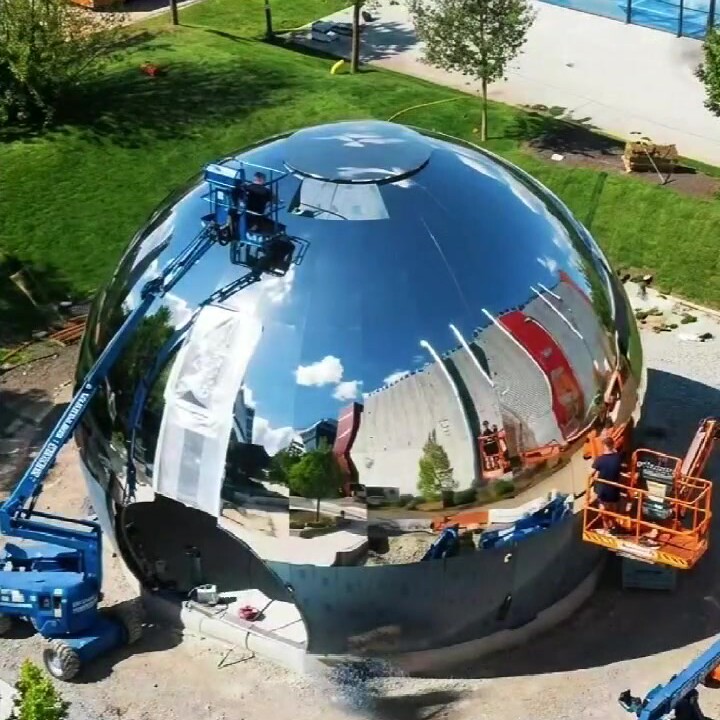
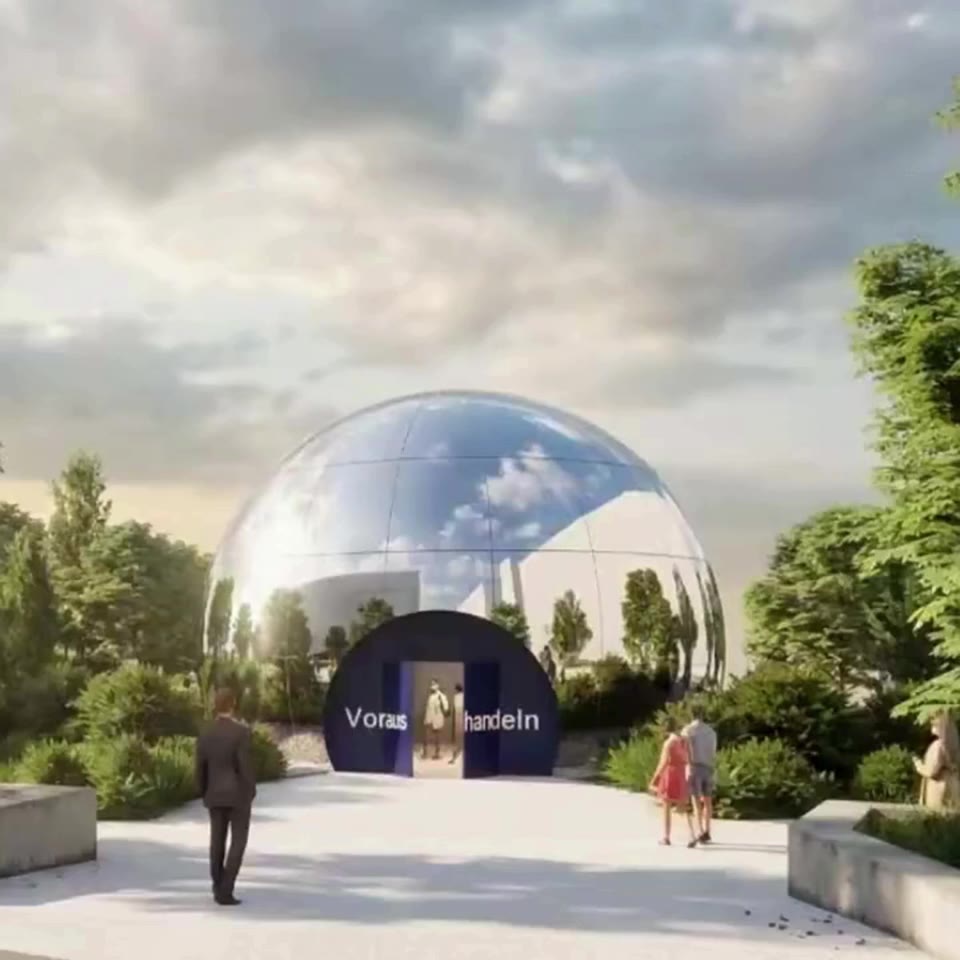
A true sphere clad in 8K mirror stainless steel, built as a set of roll-formed panels rather than as a single stretched shell. The video above follows the whole route of one ball house: the CAD model with every panel colour coded, the forming frame on the workshop floor, the roll forming and polishing, the panels crated flat for transport, and the finished dome being assembled on site. Nothing in the job was bought in from outside the factory, and the panels were designed for the geometry rather than bent to fit it afterwards.
 |
|
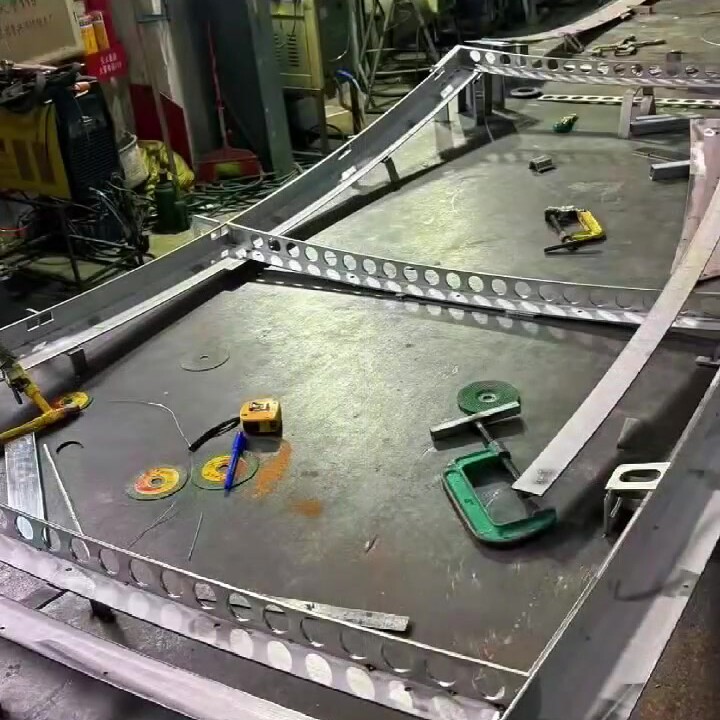
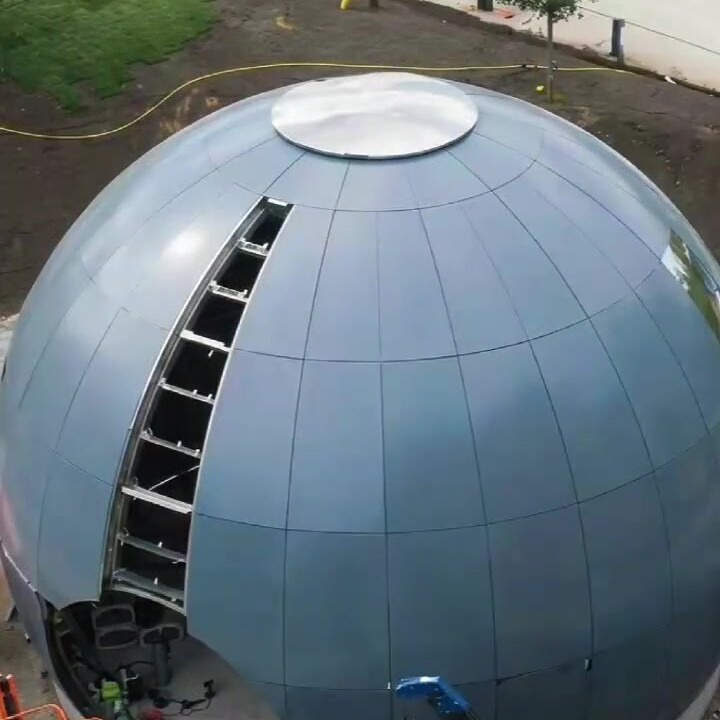
A sphere has no flat planes to work with, and it has no straight edges to hide a joint. Every point on the surface has a different curvature and a different orientation, so a panel that fits the equator will not fit the pole. The usual shortcut is to stretch or spin a single large sheet, which is expensive at this diameter and leaves a visible pole and a heavy seam. The route used here is to develop the sphere into flat panels on the CAD model, roll form each one to its own radius, and let the geometry of the sphere do the rest. The result is a surface made of many small, individually replaceable parts.
That decision has three practical consequences. Panels are light enough to be handled by two people and lifted through a normal doorway, so the building can be assembled on a site with no crane. Every panel is a spare part, so a damaged one is replaced with a matching piece rather than by reworking the whole shell. And the tolerance problem moves from one impossible joint to many manageable ones, each of which can be checked on the bench before it goes into the structure.
 |
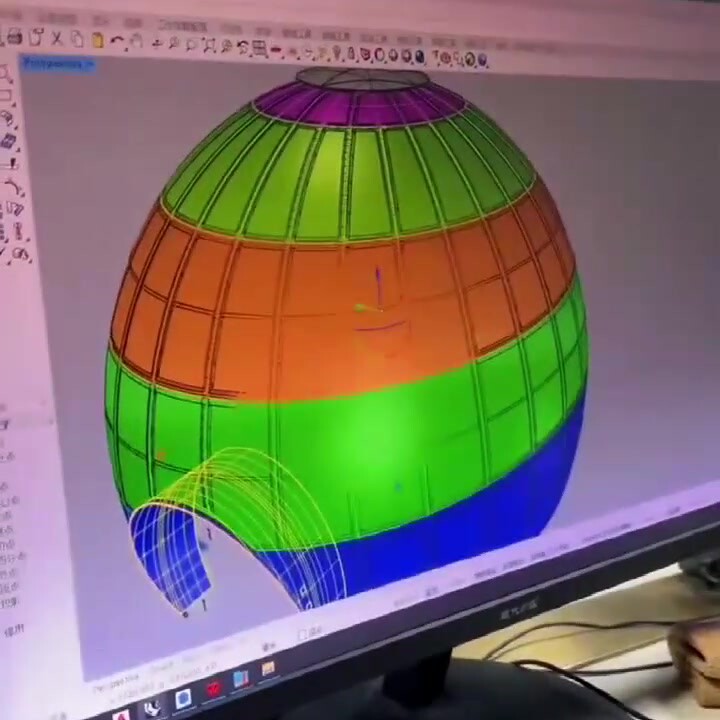 |
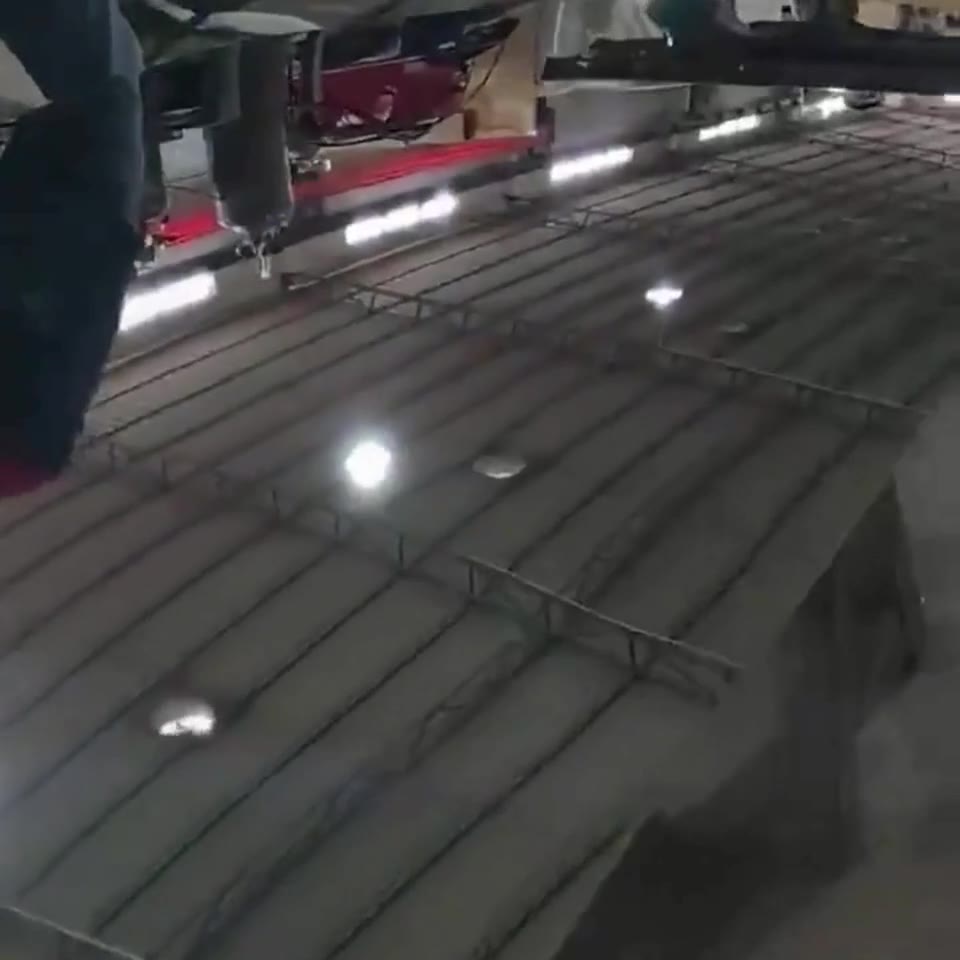
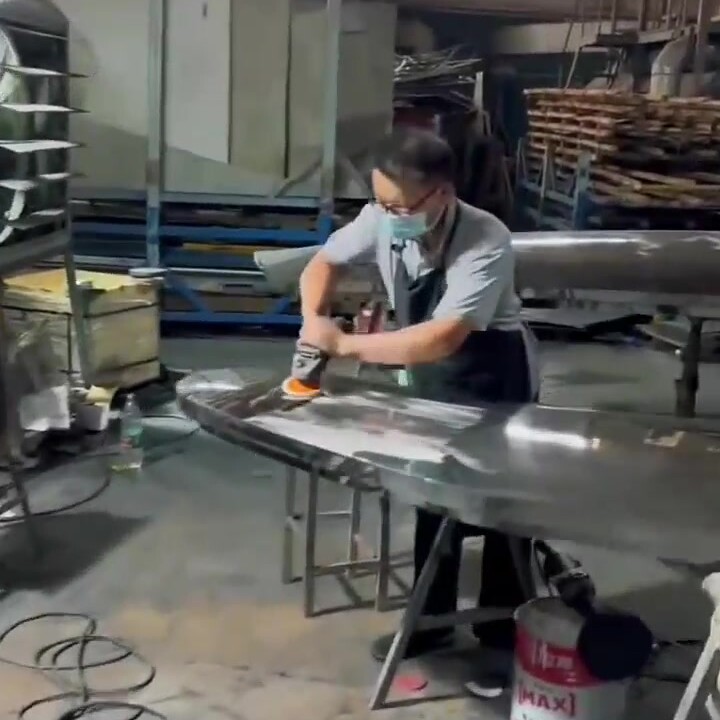
The colour-coded model in the video is the production drawing. Every panel is developed flat, tagged with its position on the sphere, and given a rolling direction that follows the line of the curve, so the stainless steel stretches across the panel instead of along it. Roll forming gives a smooth continuous radius with no forming marks and no stretching of the gauge, and because the machine sits in our own workshop, the radius of each panel can be adjusted on the spot against the printed template rather than being fixed by an outside supplier’s standard tooling.
 |
 |
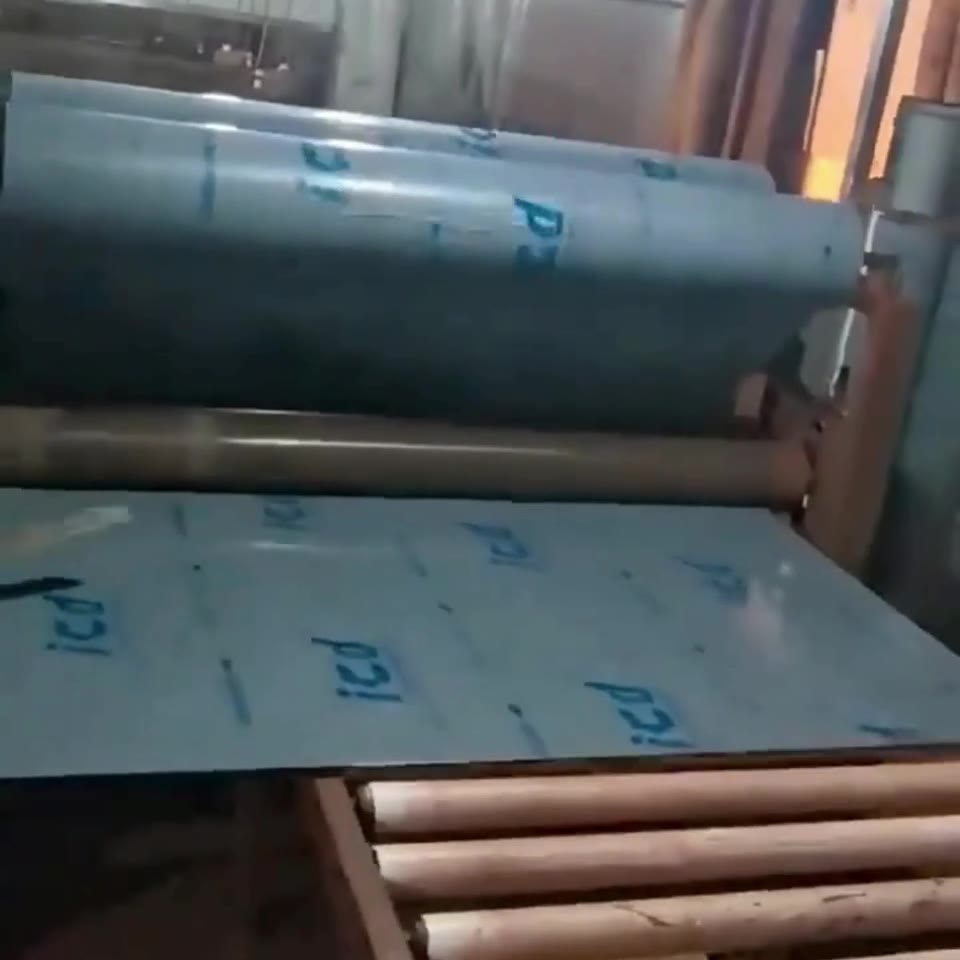
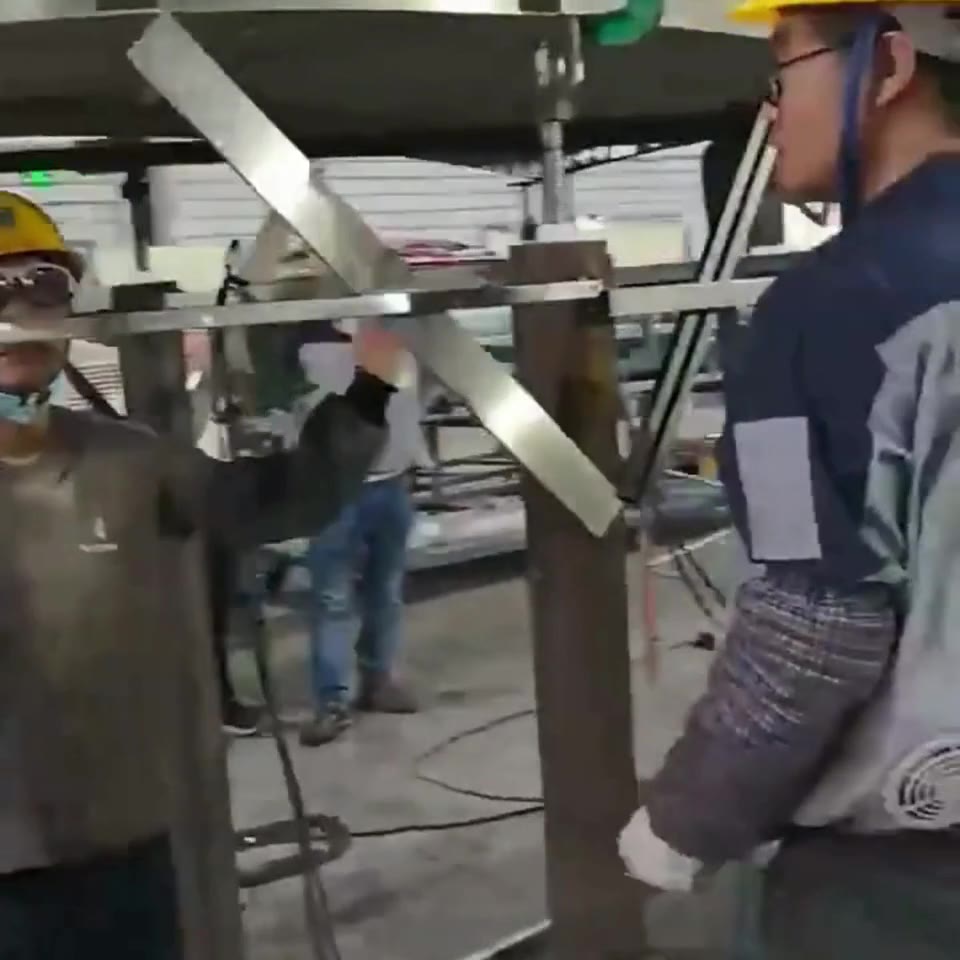
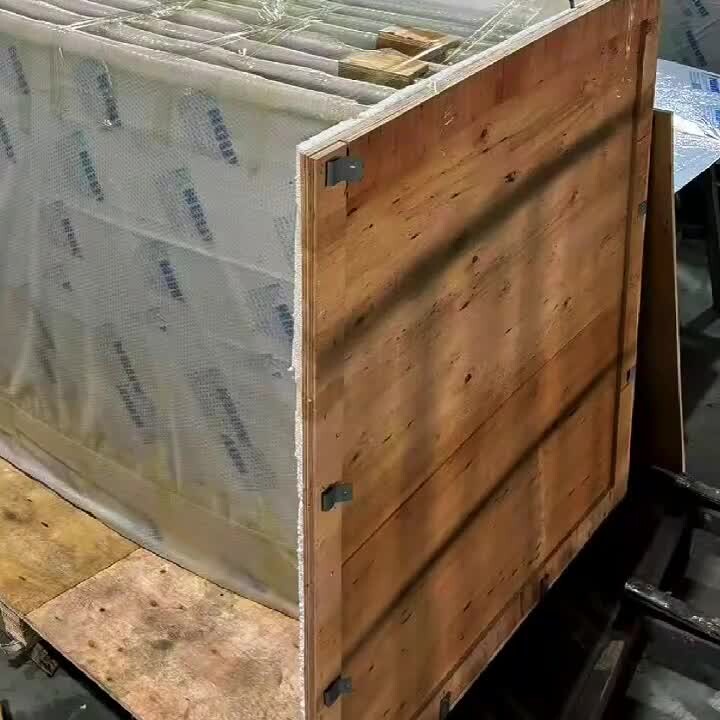
A dome this size would be impossible to deliver as a shell: it would not fit in a container, it would not fit through the door of the building, and it would be damaged in transit. So the panels are shipped flat, crated and foamed, and the assembly happens on site over a prepared base and internal frame. The workshop in the video shows exactly that — a crate of flat, protected panels waiting to be loaded. Site teams only have to bolt and seal; the difficult work has already been done under factory lighting.
 |
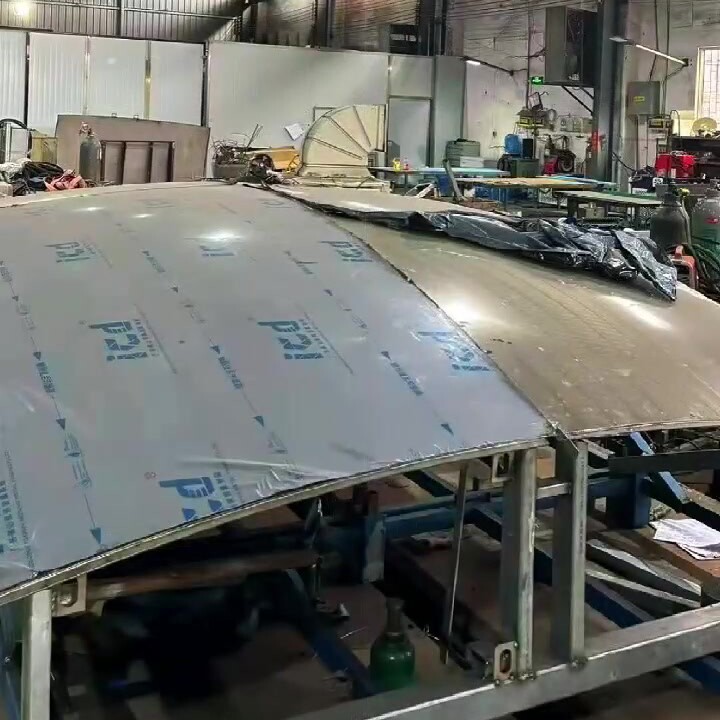 |
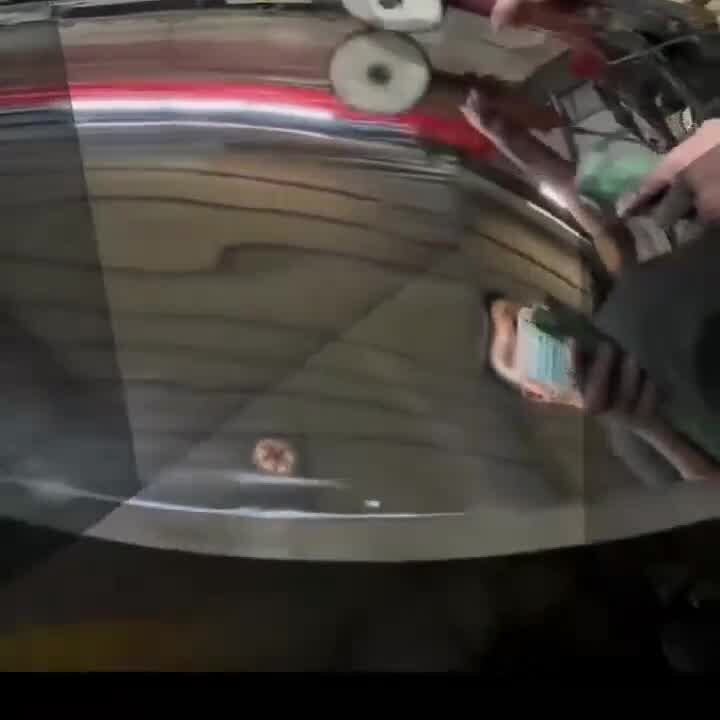
The reflection is only as good as the surface under it, so every panel is polished before it is ever installed. Where two panels meet, the weld is ground out, the join is re-polished, and the seam is finished until it no longer reads as a line. This is the step that separates a mirror dome from a shiny one, and it is why the reflective surface in the video looks like one continuous piece of glass rather than a collection of plates.
Stainless steel grade is chosen for the environment rather than by default: 304 for general interior and sheltered outdoor work, 316 for coastal, pool-side or high-corrosion sites, and a mirror finish grade where the reflection has to stay clean. Polishing lines are run in one direction per panel so the assembled shell does not fight with itself under changing light.
 |
 |
 |
 |
| Project | Mirror stainless steel ball house, custom spherical building |
| Form | True sphere, panels developed on a roll-forming machine and assembled over an internal frame |
| Surface | 8K mirror polished stainless steel, welds ground out and re-polished until invisible |
| Production | Designed, formed, welded and polished in house; nothing outsourced |
| Logistics | Panels shipped flat and crated, assembled on site over a prepared base |
| Use | Brand pavilion, sales gallery, event hall, showroom or observation pod |
Diameter, panel gauge, steel grade, base structure and the internal fit-out are set per project against the site and the client’s engineer, and ARTDSN issues the fabrication package — forming, welding, polishing, crating and site assembly — as one scope rather than a chain of separate suppliers.
Planning a mirror ball house or a similar curved stainless steel volume? Send us the site, the use and the diameter you have in mind, and we will come back with a panel development plan, a finish recommendation and a shipping and assembly method. Talk to ARTDSN engineering.