High-End Stainless Steel Decorative Trims: A Complete Engineering Guide | ARTDSN
High-End Stainless Steel Decorative Trims: A Complete Engineering Guide
Why specifiers choose stainless for walls, ceilings, floors, and façades
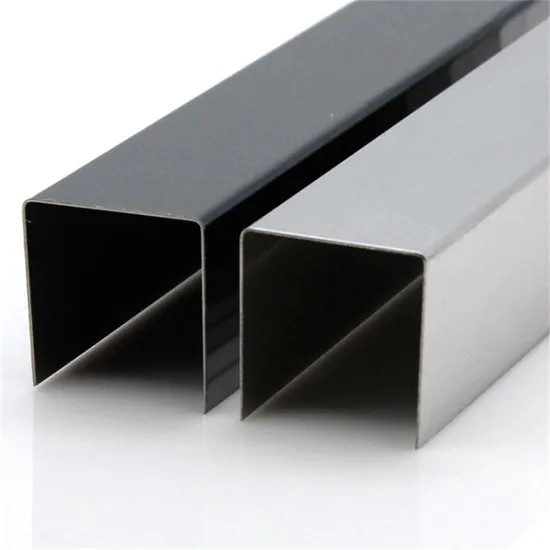
Stainless steel decorative trim is no longer a finishing detail — it is a structural component of modern architectural specification. In commercial, hospitality, and high-end residential projects, the choice between aluminium, PVC, and stainless directly affects long-term performance, fire safety, hygiene, and lifecycle cost. This guide walks architects, contractors, and importers through the material science, manufacturing standards, and on-site advantages of specifying stainless steel trim across walls, ceilings, floors, and façades.
ARTDSN manufactures decorative stainless trim profiles for global specifiers — mill-direct pricing, mill-cert traceability, and full OEM/ODM support for profiles, finishes, and packaging.
Core Engineering Advantages
Six material properties make stainless steel the default specification for premium decorative trim across interior and exterior applications.
- Corrosion resistance — 304 and 316 grades withstand humidity, chlorides, and cleaning chemicals without pitting, rust, or coating failure.
- Mechanical strength — high tensile and impact strength protects tile edges from chipping during installation and service life.
- Fire performance — non-combustible (Euroclass A1 / ASTM E136), produces zero smoke or toxic off-gassing in a fire event.
- Hygiene — non-porous surface prevents bacterial growth and is compatible with hospital-grade disinfectants.
- Dimensional stability — no creep, warping, or shrinkage across temperature swings from −40 °C to +80 °C.
- Aesthetic longevity — PVD-coated and mirror finishes retain their original colour and reflectivity for 10–20+ years.
Stainless vs Aluminium vs PVC Trim
The table below compares the three most commonly specified trim materials against the criteria that matter to architects, contractors, and facility owners.
| Property | Stainless Steel (304/316) | Anodized Aluminium | PVC Trim |
|---|---|---|---|
| Corrosion resistance | Excellent (316 grade for marine/coastal) | Good indoors; fails in salt / chlorine | Degrades under UV and solvents |
| Mechanical strength | High tensile, impact resistant | Moderate; dents on impact | Low; cracks under load |
| Fire rating | Non-combustible (A1 / E136) | Non-combustible, but melts at 660 °C | Combustible; emits HCl gas |
| Service temperature | −40 °C to +800 °C | −20 °C to +200 °C | −10 °C to +60 °C |
| Finish lifespan | 10–20+ years (PVD or mirror) | 5–10 years (anodized) | 3–5 years (paint / laminate) |
| Colour options | PVD gold, rose gold, black, champagne, gunmetal + mirror / brushed | Silver, champagne, bronze, black (anodized) | Wide colour range, but fades |
| Hygiene | Non-porous; hospital-grade cleanable | Oxide layer is cleanable | Porous; harbours bacteria |
| Recyclability | 100 % recyclable, high scrap value | 100 % recyclable | Landfill; toxic to recycle |
| Lifecycle cost (20 yrs) | Lowest (no replacement) | Moderate (1 re-anodizing cycle) | Highest (2–3 replacements) |
1. Corrosion Resistance in Real-World Environments

Stainless steel’s corrosion resistance comes from a self-repairing chromium-oxide layer that reforms the instant the surface is scratched or chemically cleaned. In architectural trim, this translates directly into:
- Grade 304 — the workhorse for indoor walls, ceilings, floors, lobbies, and feature strips in dry or mildly humid service.
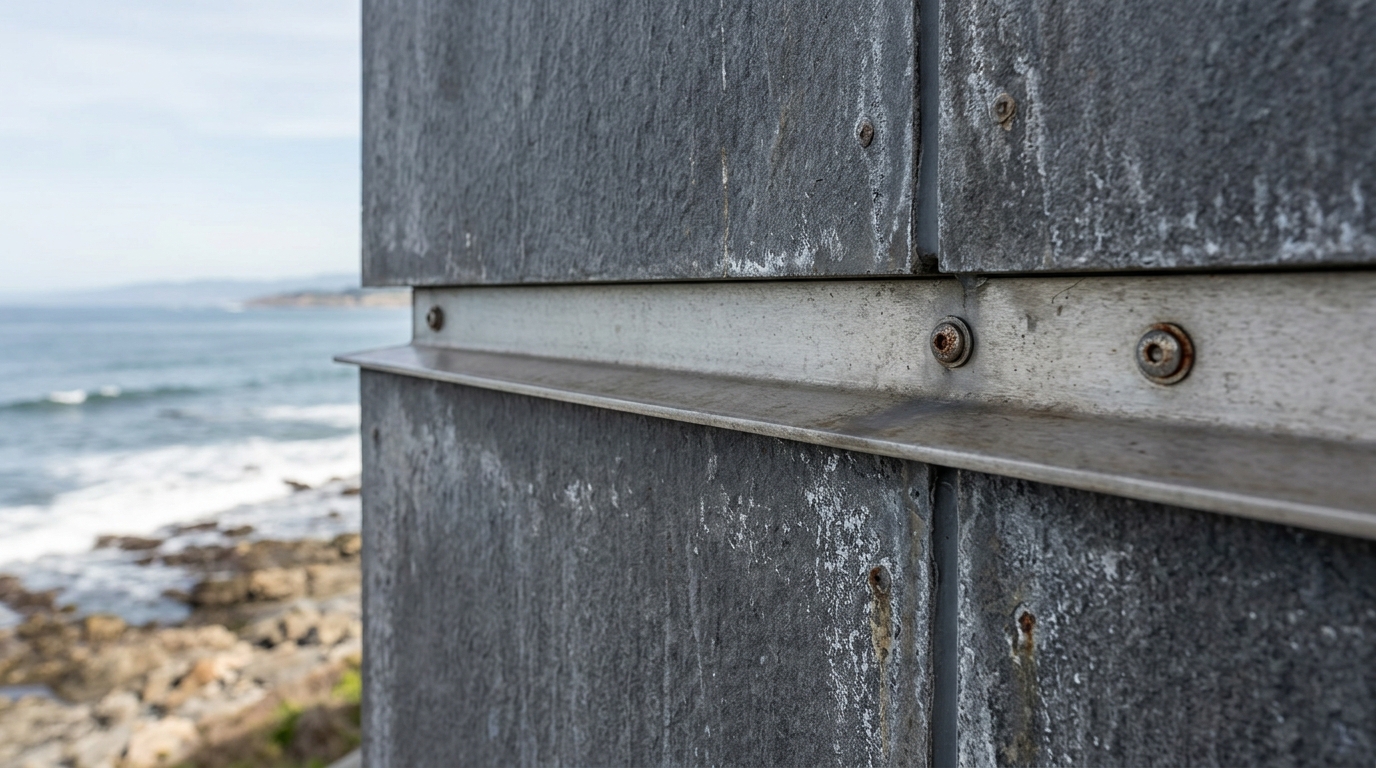
- Grade 316 — required for outdoor façades, pool surrounds, coastal buildings, hospital scrub-down environments, and food-processing areas. The 2–3 % molybdenum content provides chloride resistance that 304 cannot match.
- PVD-coated 304 / 316 — adds a titanium- or zirconium-nitride layer that increases surface hardness to ~2,000 HV (vs. ~200 HV for bare stainless), with no measurable corrosion loss even after 1,000 hr salt-spray (ASTM B117).
2. Finish Options: Mirror, Brushed, PVD, and Patterned

ARTDSN manufactures stainless trim in every architectural finish available today:
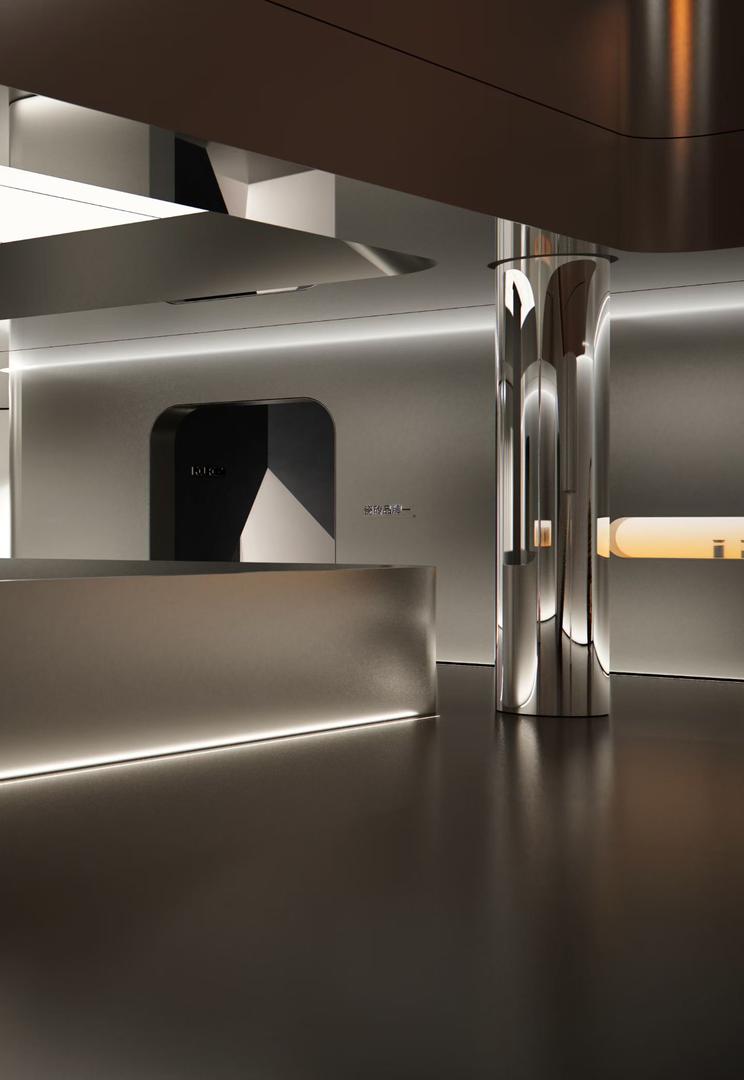
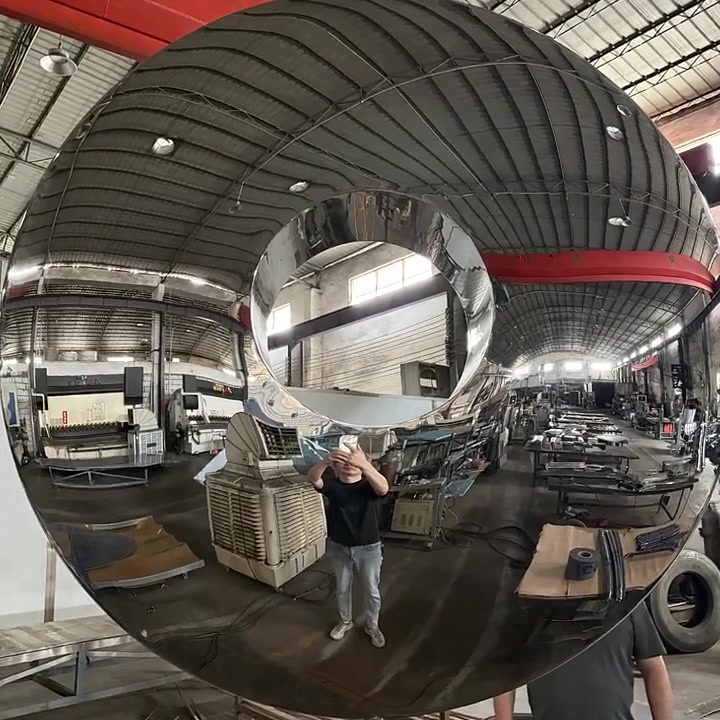
- Mirror (No. 8) — Ra ≤ 0.05 µm reflectivity. Used in hotel lobbies, elevator interiors, and feature walls.
- Brushed / satin (No. 4) — uniform directional grain that masks fingerprints. The default specification for commercial and hospitality corridors.
- Hairline (HL) — finer, longer grain than No. 4; preferred in contemporary residential interiors.
- Bead-blasted — matte, non-reflective; used where glare control is required.
- PVD gold / rose gold / black / champagne / gunmetal — titanium-nitride coating bonded at 400–500 °C; hardness 1,800–2,000 HV; UV-stable for outdoor use.
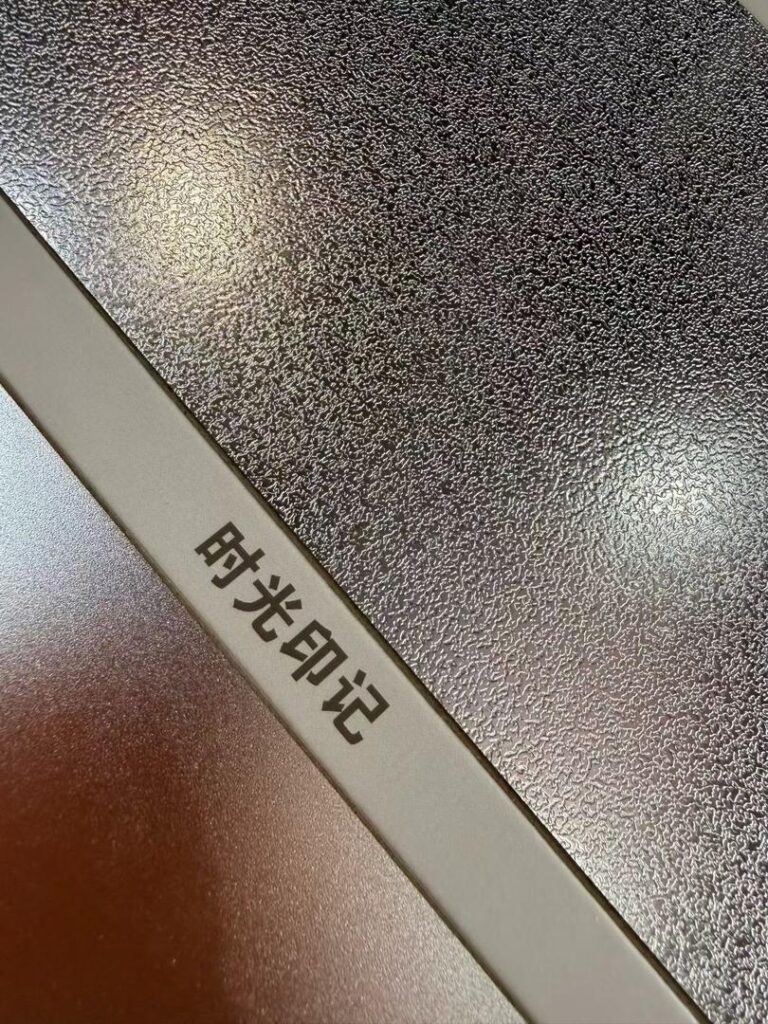
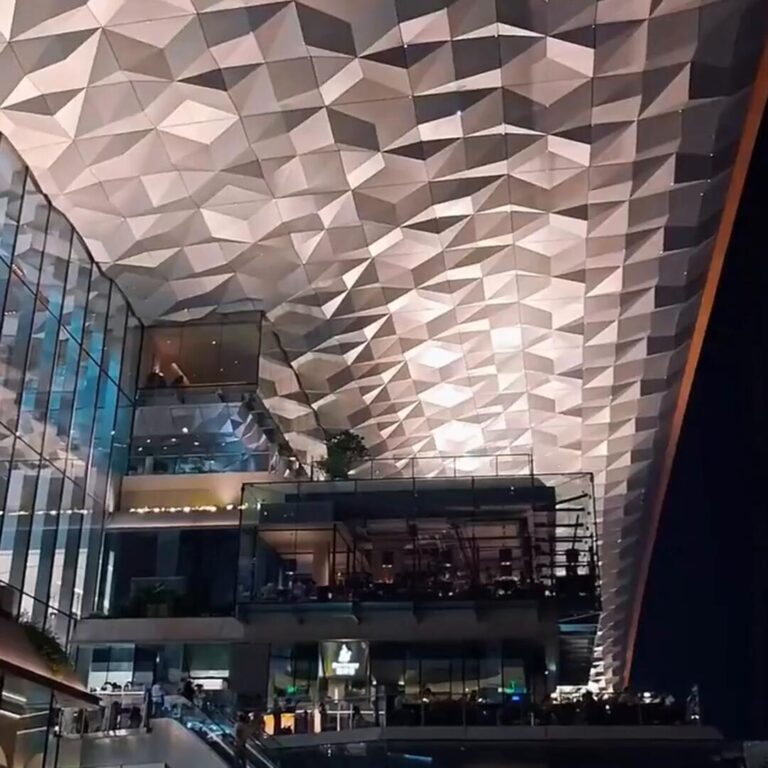
- Embossed / patterned — diamond, linen, leather, and custom textures for tactile or anti-slip surfaces.
3. Installation Speed and On-Site Tolerance
Stainless trim is engineered to absorb real-world site variation:
- Standard lengths of 2.44 m / 3.05 m match gypsum-board and ceiling-grid modules, reducing cuts and waste.
- Custom lengths up to 6 m available for curtain-wall reveals and continuous ceiling coves, eliminating visible butt joints.
- Pre-formed inside / outside corners remove the need for on-site mitering — a major source of gaps and alignment errors.
- Mechanical and adhesive-fix options — clip, screw, or adhesive-bond depending on substrate (drywall, tile, concrete, steel).
- Tolerance of ±0.1 mm on cut-to-length pieces allows trim to align with reveals that designers specified to the millimetre.
4. Where High-End Trim Is Specified

High-end stainless decorative trim is the standard specification in:
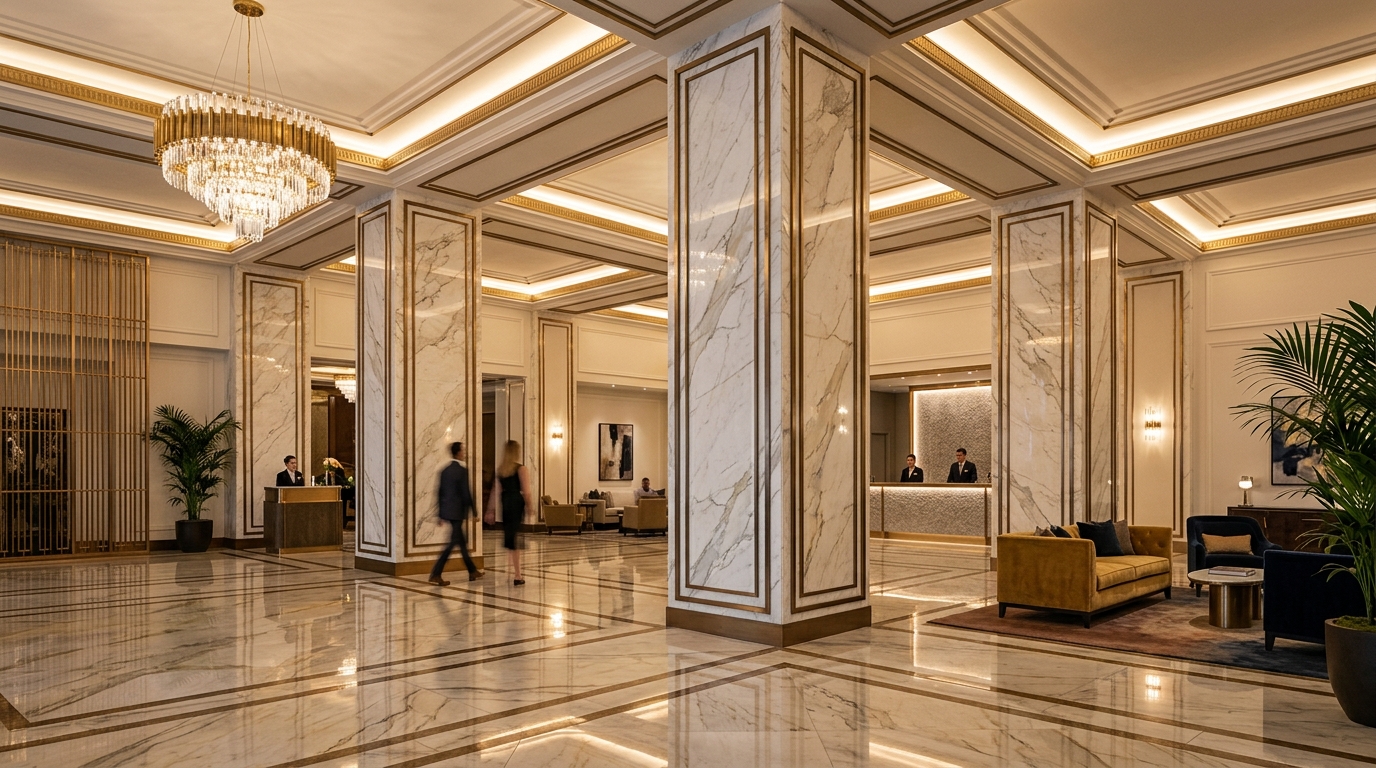
- Luxury hotels and resorts — guest-room feature walls, lobby reveals, ceiling coves, and bathroom niches.
- High-end residential — master-suite ceiling perimeters, kitchen backsplash terminations, walk-in-closet reveals.
- F&B and hospitality — restaurant and bar ceiling coves, mirror-frame trim, brand-defining metallic reveals.
- Corporate and executive — boardroom ceilings, reception feature walls, executive washrooms.
- Healthcare — hygienic corner guards, handrail trim, scrub-able wall terminations.
- Retail and showroom — brand-defining accent rings, display plinths, signage surrounds.
- Transport — airport, metro, and rail interior trim where fire rating and durability are mandated.
5. Fire Performance and Building Code Compliance
Stainless steel trim is one of the few finish materials that actively improves a project’s fire performance:
- Non-combustible — classified A1 under EN 13501-1 and E136 under ASTM E136. Contributes zero to flame spread or smoke development.
- Zero halogen content — unlike PVC, stainless releases no toxic hydrogen-chloride gas when exposed to fire.
- Maintains integrity at >800 °C — protects adjacent wall and ceiling assemblies during the critical evacuation period.
- Accepted by IBC, EN 13501, GB 8624, and BS 8414 for use in egress corridors, high-rise façades, and assembly occupancies without additional fire-stopping.
6. Sustainability and Lifecycle Cost
Specifying stainless trim is one of the most material-efficient decisions a designer can make:
- Average recycled content: 60–90 % (304 contains ~70 % pre-consumer scrap; 316 averages ~80 %).
- 100 % recyclable at end of life with retained economic value (scrap stainless trades at ~70 % of primary value).
- Cradle-to-cradle EPDs available for most architectural grades.
- 20-year total cost of ownership is typically 30–50 % lower than PVC and 15–25 % lower than aluminium, because stainless requires no repainting, replacement, or special maintenance.
7. Specification Checklist for Architects
- Material grade: 304 (indoor dry) or 316 (outdoor / coastal / pool / chemical).

- Finish: No. 8 mirror, No. 4 brushed, hairline, bead-blasted, or PVD colour.
- Profile shape and dimensions: height, width, wall thickness, flange type.
- Length and corner configuration: standard 2.44 / 3.05 m, custom up to 6 m, factory-mitered or welded corners.
- Fixing method: adhesive, mechanical clip, or screw.
- Tolerance: ±0.1 mm on cut length; ±0.05 mm on profile cross-section.
- Test reports: ASTM B117 salt-spray, ASTM G155 UV, EN 13501-1 fire, ISO 22196 antimicrobial (where required).
- Sample approval: physical sample in specified finish and length before production release.
8. Why Specify ARTDSN
- 15+ years of OEM / ODM manufacturing for global trim brands and contractors.
- 10,000+ profiles in stock — straight, T, listello, corner, custom.
- Custom tooling in 7 days from a 2-D drawing.
- PVD colour matching to any RAL, Pantone, or supplied reference.
- Mill-cert traceability for every stainless coil.
- 3 warehouses (China, UAE, USA) for fast global delivery.
Request a Quote or Free Sample
Send us your profile drawing, material grade, finish, length, and quantity — we will respond within 24 hours with a detailed quote and CAD drawings.
ARTDSN — Guangzhou Longying Trading Co., Ltd.
Manufacturer of premium stainless steel decorative trim profiles.
Email: info@artdsn.com · Website: www.artdsn.com